The Role of Social Media in Urban Community Building
Social media has transformed the way urban communities interact, fostering relationships and enhancing daily living experiences. Understanding its impact can provide valuable insights for community development.
Understanding the Basics
Social media platforms allow residents to connect and engage with one another, creating a sense of community that may not have existed otherwise. According to research by the Pew Research Center, approximately 69% of adults in the U.S. use social media, which suggests a robust potential for community engagement through these channels.
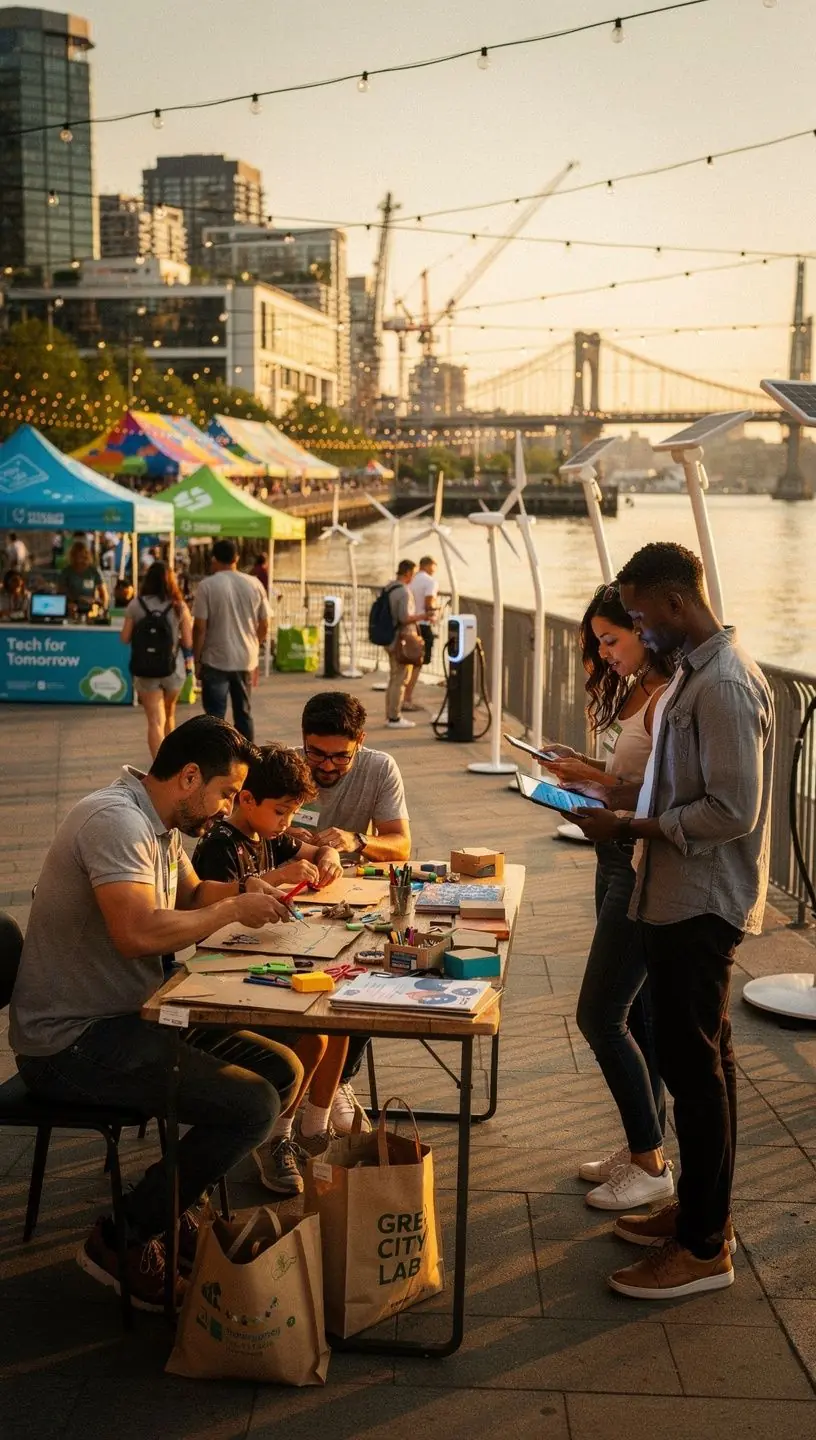
"Effective use of social media can enhance local engagement, making residents feel more connected to their neighborhoods."
How Social Media Facilitates Community Interaction
Social media can serve as a bridge for fostering relationships among residents. Here are several ways it enhances urban community building:
- Information Sharing: Platforms like Facebook and Nextdoor enable residents to share local news, events, and opportunities. This sharing can increase awareness and participation in community activities.
- Organizing Events: Social media is often utilized to organize community events, from neighborhood cleanups to local festivals. This approach can lead to higher participation rates, as residents can easily RSVP and share the event with others.
- Feedback and Communication: Residents can use social media to voice their concerns and provide feedback on local issues. This two-way communication helps local authorities gauge public sentiment and respond more effectively.
Challenges and Considerations
While social media offers numerous benefits for community building, it is essential to acknowledge its limitations. For instance, not all demographics are equally represented online, which can lead to disparities in engagement. Additionally, misinformation can spread rapidly, potentially causing confusion or conflict within the community.
Experts recommend balancing online interactions with offline engagement to ensure a comprehensive community-building strategy. This approach may involve hosting in-person meetings or community forums to complement social media efforts.
Conclusion
In conclusion, leveraging social media for urban community building presents an effective approach to fostering connections among residents. However, it requires careful consideration of its challenges and a commitment to inclusivity. By understanding how social media can enhance community interaction, urban districts can cultivate a more vibrant and engaged population.