How Technology Enhances Community Engagement Initiatives
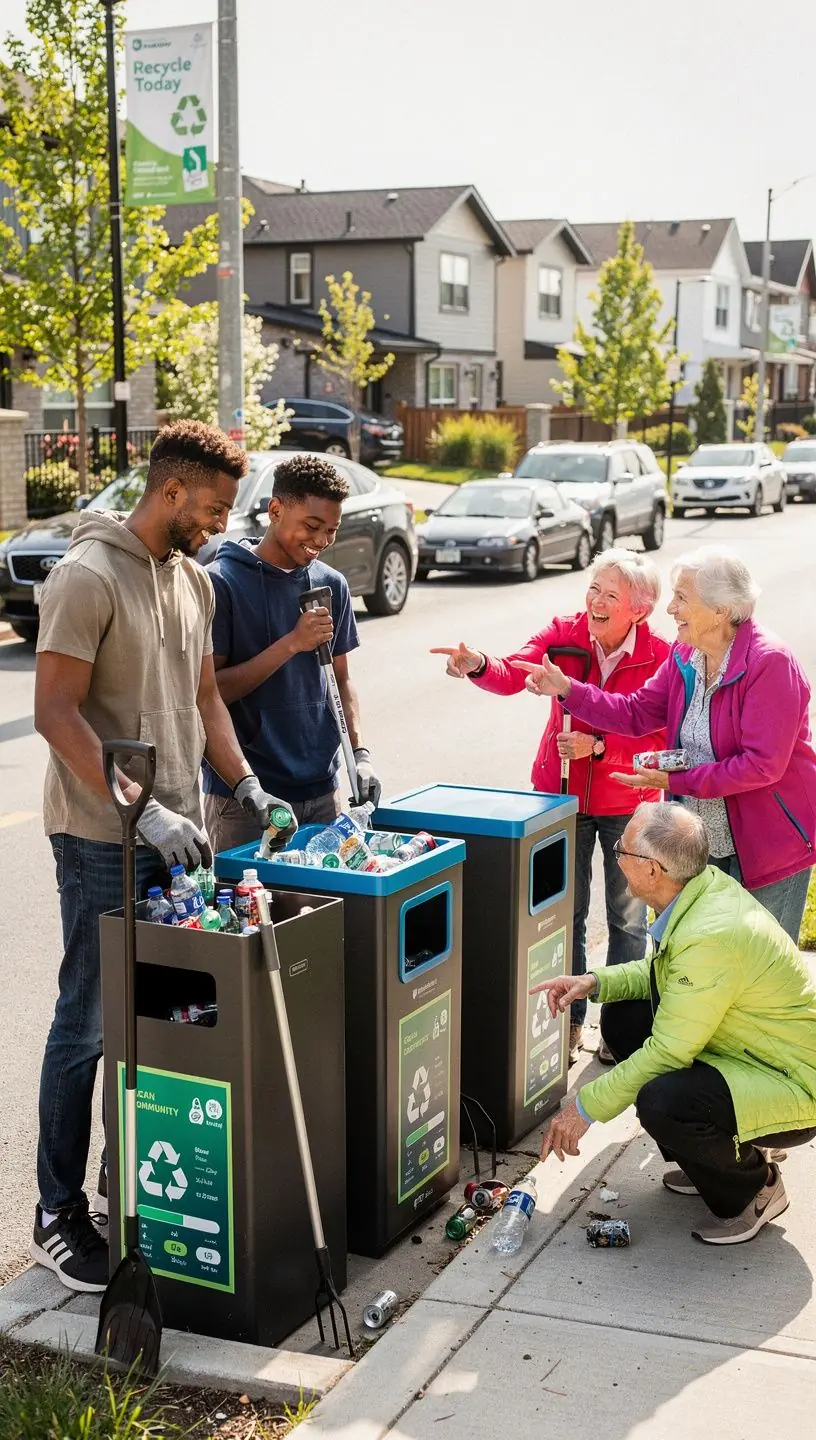
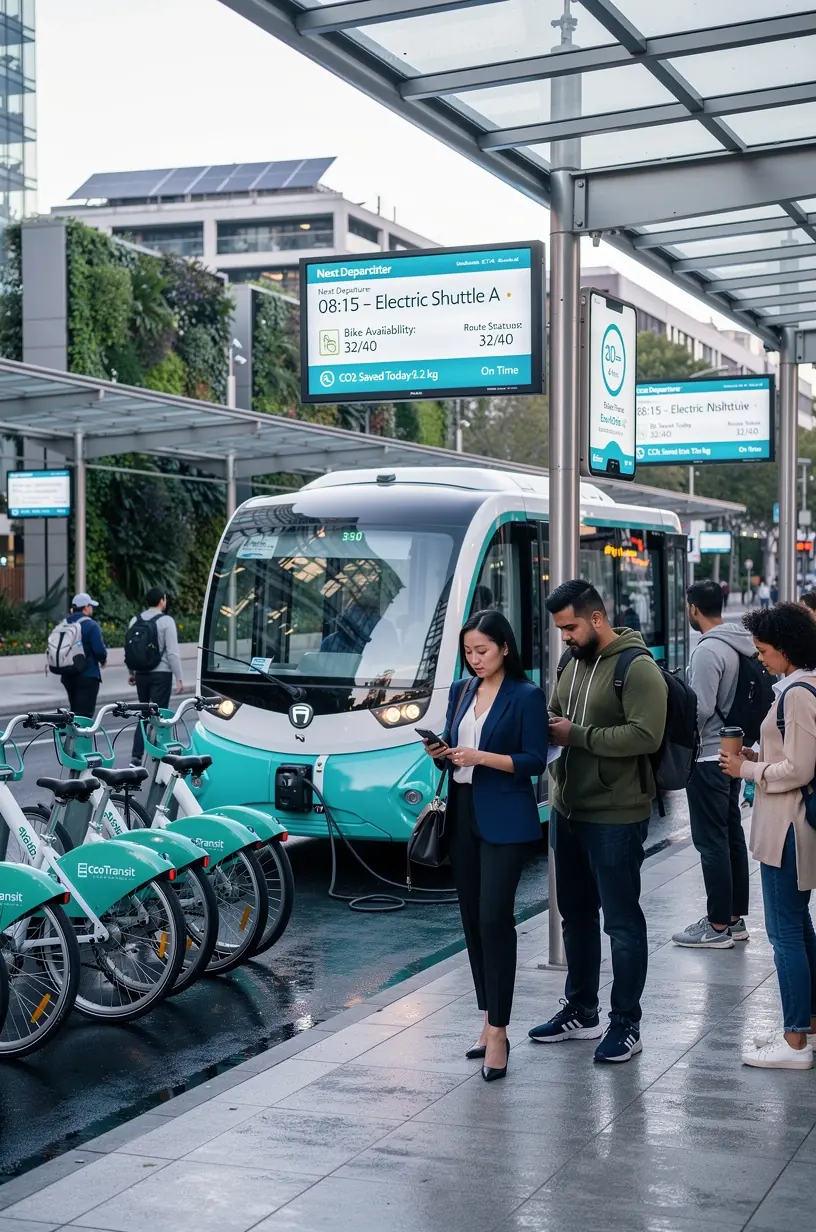
In urban settings, community engagement is essential for building strong neighborhoods. Technology plays a pivotal role in fostering connections among residents, encouraging participation, and enhancing communication. This article explores various technological approaches that can enhance community engagement initiatives in residential districts across the U.S.
The Role of Technology in Community Engagement
Technology has fundamentally changed how communities interact and engage with one another. According to research by the Pew Research Center, approximately 90% of Americans own a smartphone, making it a vital tool for communication and information dissemination. This wide accessibility allows community leaders to reach more residents effectively.
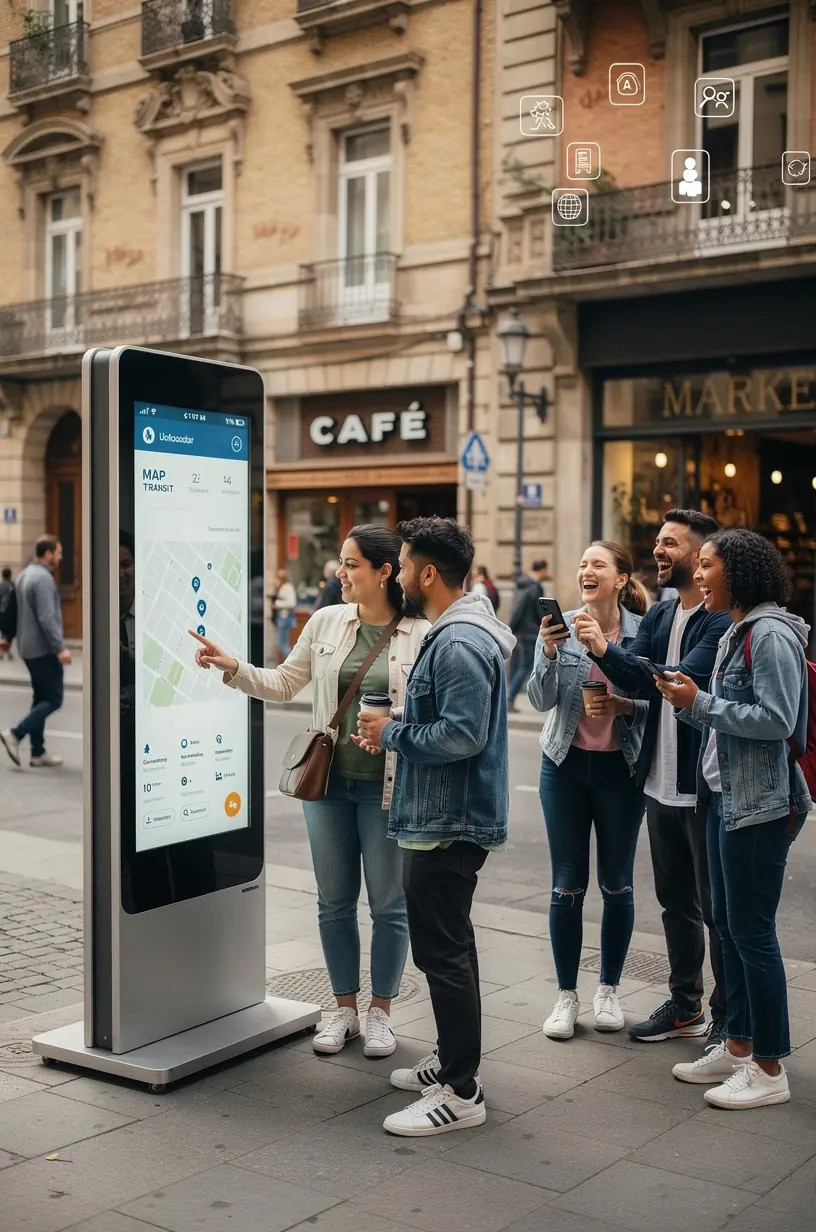
"Communities utilizing technology for engagement are often more active and informed about local issues." - Urban Studies Expert
Effective Strategies for Utilizing Technology
Implementing technology in community engagement requires thoughtful strategies. Here are some effective approaches:
- Social Media Platforms: Many communities have found success in using platforms like Facebook and Nextdoor to share news and events, fostering an online sense of community.
- Mobile Applications: Developing community-specific apps can streamline communication, allowing residents to report issues, find local resources, and participate in polls or surveys.
- Virtual Events: During the pandemic, virtual town hall meetings emerged as an effective method for gathering community input while adhering to safety protocols. These events can be recorded and shared for those unable to attend.
Challenges and Considerations
While technology offers numerous benefits, there are challenges to consider. For instance, not all residents may have equal access to the internet, which can result in disparities in engagement. Research indicates that approximately 20% of rural Americans lack access to high-speed internet, which can hinder participation in online initiatives.
Moreover, implementing new technologies can require time and resources. Communities often need to invest in training for both residents and leaders to ensure effective usage. This process typically takes several weeks and necessitates ongoing support and feedback.
Conclusion
In conclusion, technology has the potential to significantly enhance community engagement initiatives. By adopting effective strategies and being mindful of challenges, communities can create inclusive environments where residents feel empowered to participate. As urban innovation continues to evolve, staying informed about technological advances will help neighborhoods thrive and foster lasting connections among their members.