Exploring Virtual Reality in Urban Planning
As cities continue to grow and evolve, urban planners are increasingly looking towards innovative solutions to address the complexities of modern urban life. One emerging technology that has garnered attention is virtual reality (VR). This article explores how VR can enhance urban planning processes, improve community engagement, and ultimately lead to more sustainable urban environments.
Understanding Virtual Reality in Urban Planning
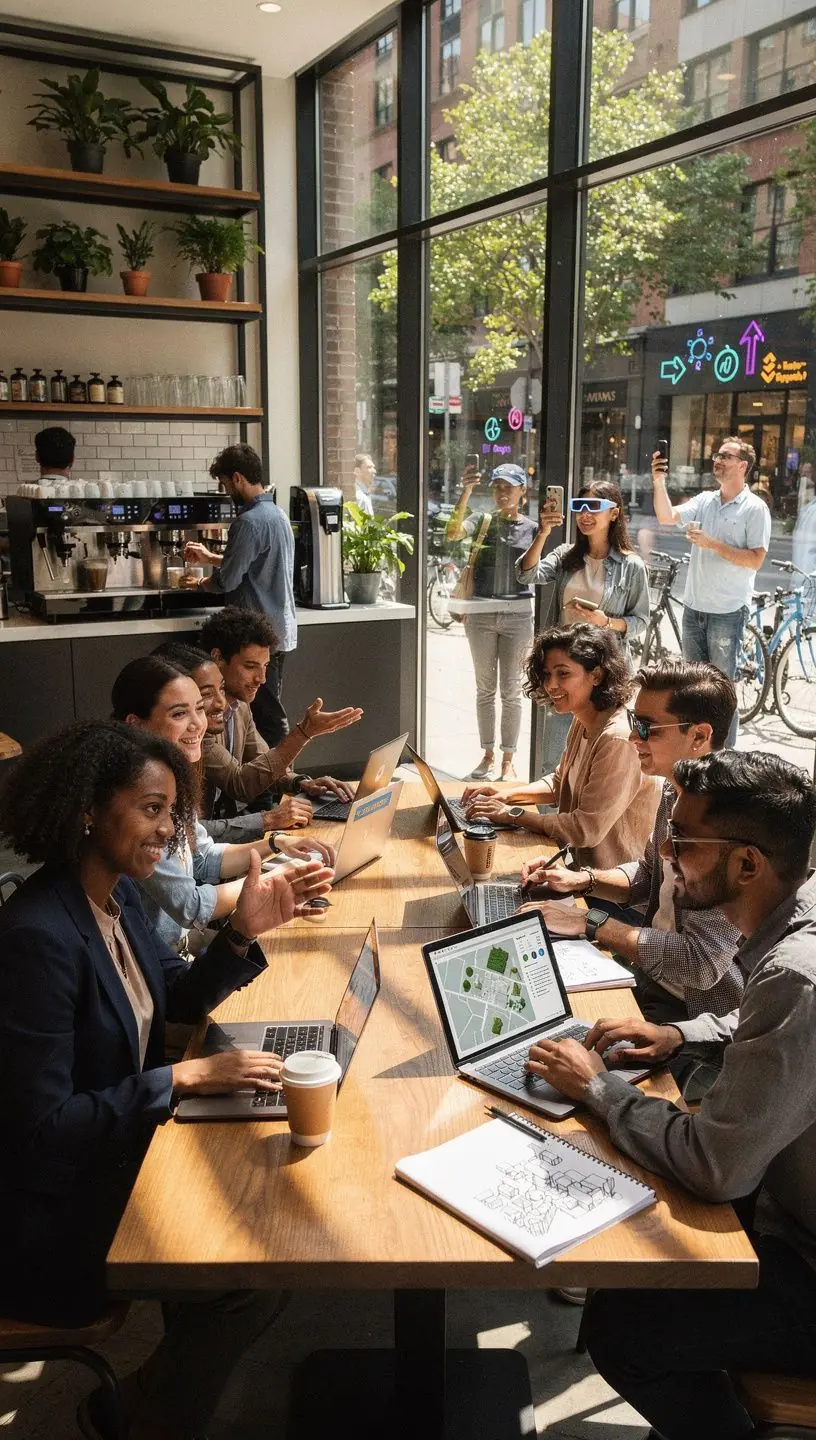
Virtual reality refers to a simulated experience that can be similar to or completely different from the real world. In the context of urban planning, VR allows planners, architects, and stakeholders to visualize and interact with proposed projects before they are built. According to research, integrating VR technology into the planning process can significantly improve stakeholder understanding and engagement.
"The ability to visualize designs in a virtual space can lead to enhanced communication and better decision-making." - Urban Planning Expert
Benefits of VR in Urban Planning
Many urban planners report that using VR has transformed their approach to projects. Some of the key benefits include:
- Enhanced Visualization: VR provides an immersive experience that allows users to explore 3D models of urban designs, making it easier to grasp complex structures and spatial relationships.
- Improved Community Engagement: Public consultations can be difficult to navigate, but VR facilitates more interactive and engaging presentations. This technology can help residents visualize changes in their neighborhoods, fostering collaboration and feedback.
- Realistic Simulations: Planners can simulate real-world scenarios, such as traffic flow or environmental impacts, allowing them to make informed decisions and adjustments based on predictive outcomes.
Challenges and Considerations
While VR offers unique advantages, there are also challenges to consider:
- Cost and Accessibility: Implementing VR technology can be expensive, particularly for smaller municipalities. However, many experts suggest that the long-term benefits often justify the initial investment.
- Learning Curve: There may be a learning curve associated with adopting VR tools, requiring training for planners and stakeholders to maximize their use.
- Not a Replacement for Traditional Methods: VR should complement traditional urban planning techniques rather than replace them. Understanding community needs and engaging in dialogue remains essential.
Conclusion
Virtual reality is proving to be a valuable asset in urban planning. Experts recommend that as technology continues to advance, urban planners should embrace VR as a tool to enhance stakeholder engagement, visualize projects realistically, and address complex urban challenges. By understanding both the benefits and limitations, communities can leverage VR to create more sustainable and livable urban environments.