How Mobile Apps Facilitate Neighborhood Communication
In today's fast-paced urban environment, effective communication within neighborhoods is essential for fostering community engagement and enhancing quality of life. Mobile applications have emerged as a vital tool in this respect, enabling residents to connect, share information, and collaborate in real-time.
The Importance of Neighborhood Communication
According to recent studies, strong neighborhood communication is linked to improved community well-being. Neighborhoods where residents communicate actively often report higher levels of trust and cooperation. This can lead to a safer and more cohesive living environment.
How Mobile Apps Enhance Communication
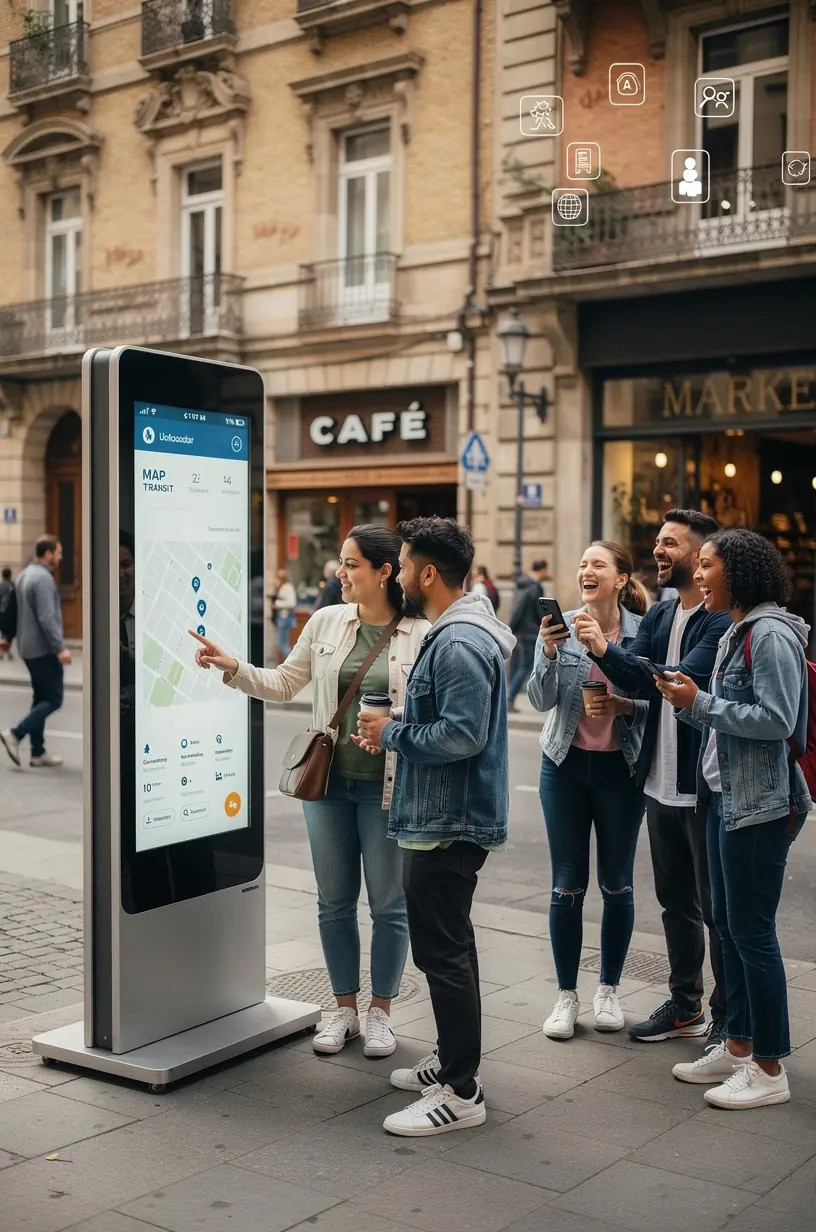
Mobile applications serve as accessible platforms for neighborhood engagement. They can help residents share local news, organize events, and address community issues. The following points illustrate how these apps typically function:
- Real-time Updates: Many applications allow users to receive immediate updates on local happenings, which is particularly useful during emergencies. Research indicates that timely communication can significantly reduce response times in critical situations.
- Community Building: Apps often feature discussion boards or forums where residents can voice opinions, share experiences, or propose ideas. This fosters a sense of belonging. Industry experts suggest that fostering online interactions often translates to stronger offline relationships.
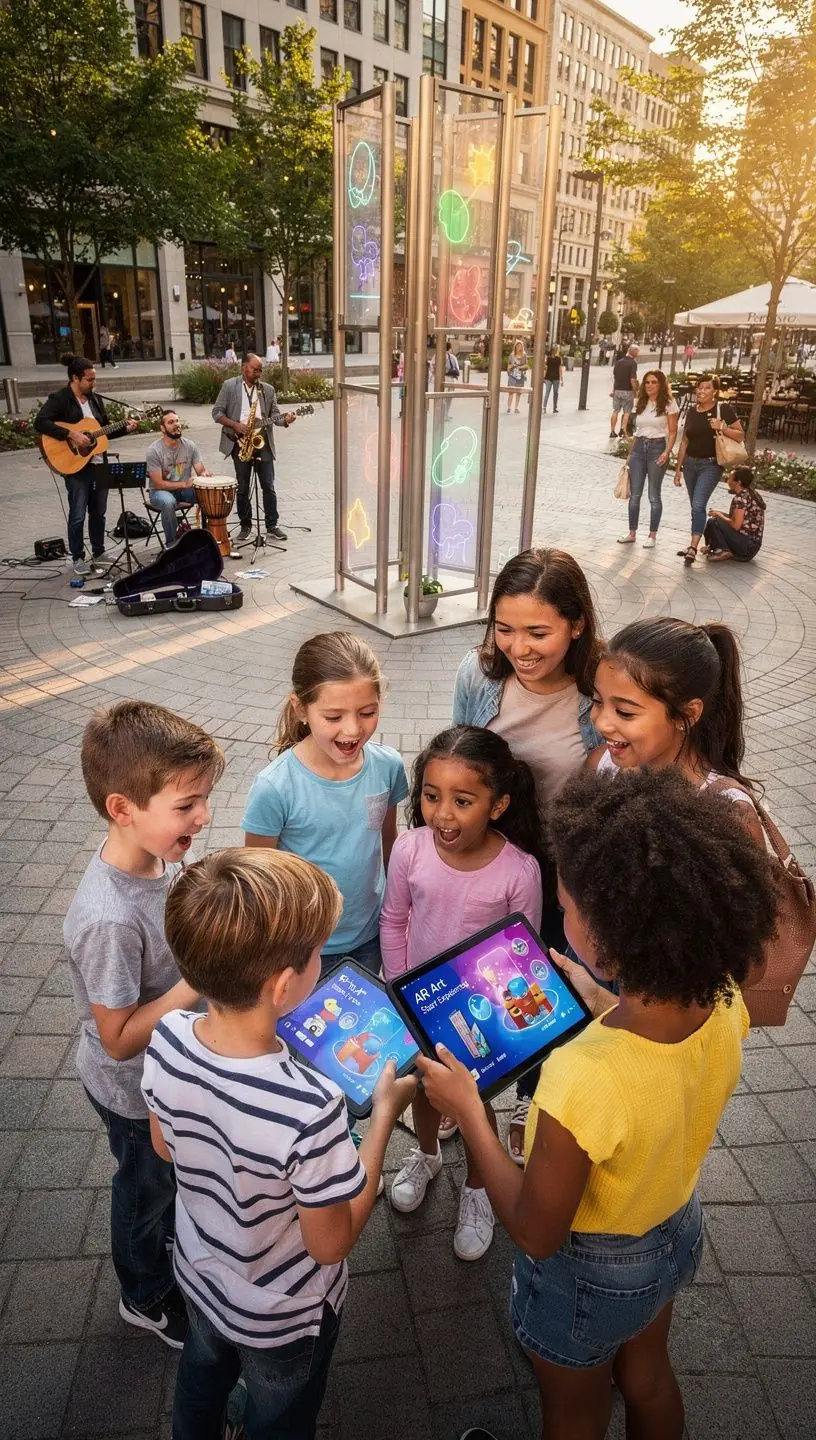
- Event Coordination: Organizing community events becomes more manageable with mobile apps. Users can create events, invite neighbors, and track participation. Studies show that collective activities enhance community spirit and involvement.
The Challenges of Implementation
While the benefits of mobile applications in neighborhood communication are evident, the implementation can present challenges. It often requires:
- Time Commitment: Engaging actively on these platforms requires a commitment from residents. Studies suggest that consistent participation is necessary for achieving meaningful interactions.
- Digital Literacy: Not all residents may be comfortable using technology. Tailoring apps to accommodate varying levels of digital literacy can foster inclusivity.
- Privacy Considerations: Residents may have concerns about privacy and data security. To mitigate these concerns, transparency about data usage and security measures is essential.
Conclusion
Mobile applications have the potential to significantly enhance communication within neighborhoods. By enabling real-time updates, community building, and event coordination, they can foster stronger connections. However, it is crucial to acknowledge the time and effort involved in engaging on these platforms. Ultimately, when residents actively participate, the benefits can lead to more vibrant and cohesive communities.