Exploring the Benefits of Walkable Urban Design
Walkable urban design is increasingly being recognized for its potential to improve the quality of life in residential districts across the United States. By focusing on creating pedestrian-friendly environments, cities can foster healthier communities and enhance local economies.
Understanding the Basics of Walkable Urban Design
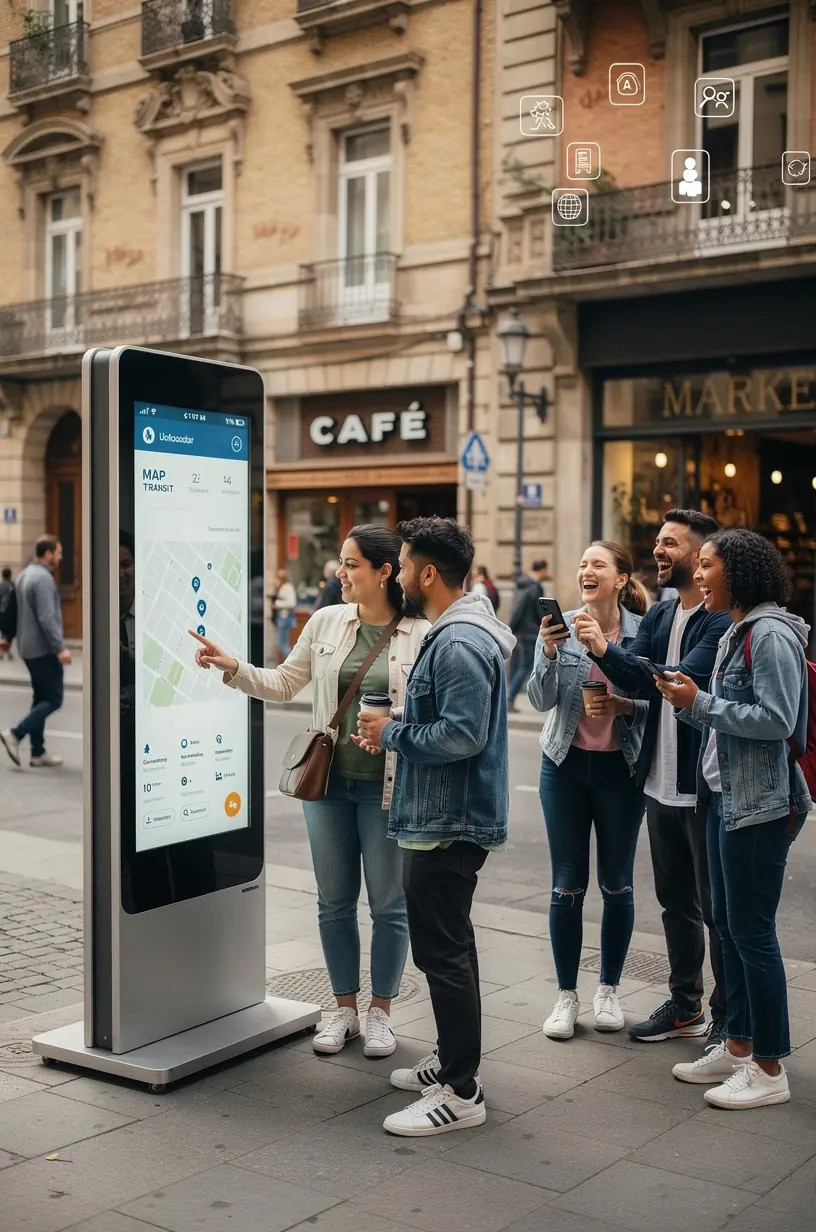
Walkable urban design refers to the planning and structuring of neighborhoods that prioritize pedestrian access and mobility. According to research from the National Complete Streets Coalition, walkable neighborhoods typically feature a mix of residential, commercial, and recreational spaces, promoting daily activities within close proximity. This design principle is grounded in the belief that a walkable environment encourages increased foot traffic, leading to vibrant community interactions.

"Cities designed for walking experience stronger economic growth, improved public health, and enhanced social cohesion." - Urban Planning Expert
Health Benefits of Walkable Neighborhoods
Studies show that residents of walkable neighborhoods engage in more physical activity, which can lead to lower rates of obesity and related health issues. The Centers for Disease Control and Prevention (CDC) highlights that simply living in a walkable community can lead to an increase in daily exercise. This is achieved by encouraging people to walk rather than drive for short trips, which is often the case in car-centric urban layouts.
Economic Advantages
Walkable design can also significantly boost local economies. According to a report from the Congress for the New Urbanism, walkable communities see a notable increase in retail sales, with businesses benefiting from the higher foot traffic. Furthermore, properties in walkable neighborhoods tend to have higher property values, making them attractive investments for homeowners and developers alike.
Environmental Impact
Designing urban spaces to be walkable can contribute to sustainability efforts. Research indicates that walkable neighborhoods often result in reduced vehicle emissions since fewer cars are needed for short trips. This principle aligns with the Urban Land Institute's findings that suggest walkable designs help mitigate urban sprawl and its associated environmental impacts.
Implementing Walkable Design: Key Considerations
- Connectivity: Streets should be interconnected, allowing for various routes and encouraging exploration.
- Safety: Adequate lighting, crosswalks, and traffic calming measures are essential to ensure pedestrian safety.
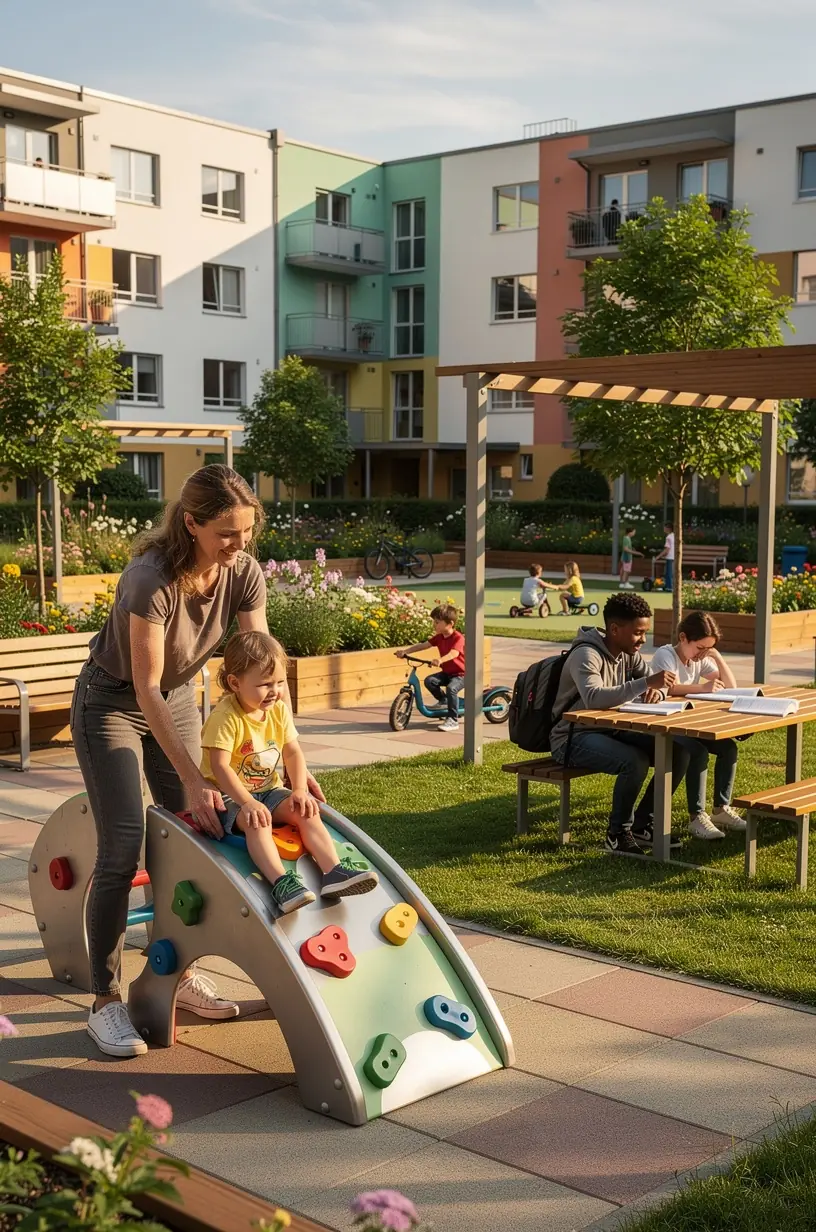
- Aesthetic Appeal: Incorporating green spaces, art, and well-maintained public areas can enhance the walkability of neighborhoods.
Challenges and Considerations
Transitioning to a walkable urban design can require significant changes in infrastructure and community mindset. This process typically takes time and community engagement to foster acceptance and understanding. Experts recommend starting with pilot projects to demonstrate the benefits of walkable spaces and gather data on user experiences.
Conclusion
In summary, walkable urban design offers numerous benefits that can enhance daily life in residential districts. From improved health outcomes to economic growth and environmental sustainability, the advantages are compelling. As communities across the United States explore these design principles, the focus should remain on creating inclusive and accessible environments that prioritize the needs of pedestrians.